

 Mexico head into the 2026 World Cup with enormous expectation, unique home-soil pressure and the chance to reset the narrative around El Tri after a mixed decade. As co-hosts alongside the USA and Canada, Mexico qualified automatically and will open the tournament in Mexico City. That removes the stress of qualification, but it also means fewer competitive fixtures and a longer build-up in which scrutiny only intensifies.For punters, Mexico are one of the most intriguing outright markets. They have tournament pedigree, strong support, altitude advantage in selected venues, and a squad blending established European-based players with top Liga MX talent. Yet they also carry familiar doubts: can they score enough against elite opposition, and can they finally break beyond the Round of 16 ceiling?
Mexico’s Road to the World Cup
 Mexico did not need to navigate CONCACAF qualification because hosts receive automatic places. That guarantees participation, but it changes preparation dynamics significantly. Instead of high-pressure qualifiers against regional rivals, Mexico’s cycle has centred on friendlies, Nations League matches, Gold Cup competition and carefully selected tests against stronger international sides.
Historically, automatic qualification can be a blessing and a trap. The positive side is obvious: more time for tactical development, sports science planning and injury management. The risk is reduced exposure to meaningful matches where habits are forged under pressure.
Mexico’s federation has therefore tried to construct a schedule with varied opponents and different tactical profiles. Facing physical African sides, possession-heavy European nations and aggressive South American presses offers better rehearsal than routine regional fixtures.
There is also the commercial reality: Mexico remain one of world football’s biggest travelling fan bases, especially in North America. Matches in the USA generate huge demand and strong atmospheres, helping simulate tournament intensity.
Still, the true road begins when the competition starts. Mexico open as hosts in Mexico City, where crowd energy will be immense and expectation absolute. Anything short of a strong start would create immediate pressure.
Manager & Tactics

Veteran manager Javier Aguirre returned to lead Mexico into 2026, bringing authority, tournament know-how and a reputation for pragmatism. His previous spells with the national side and extensive club experience make him a steady pair of hands for a high-noise cycle. Reuters reported Aguirre naming domestic-based training squads during the 2026 build-up, confirming his active final selection process. :contentReference[oaicite:1]{index=1}
Tactically, expect flexibility rather than ideology. Mexico are unlikely to become a pure possession side against elite teams, nor an all-out pressing unit for 90 minutes. Instead, Aguirre’s likely route is controlled adaptability.
Most likely systems
4-3-3: Best shape for width, transitions and getting wide forwards into one-v-one situations.
4-2-3-1: Useful against stronger opponents, with a double pivot protecting central areas.
5-3-2 / 3-4-3: Situational option if facing elite wingers or defending a lead late in matches.
Mexico’s midfield remains central to everything. They need one controller who can resist pressure, one runner who breaks lines, and one ball-winner who covers transitions. When Mexico struggle in tournaments, it is often because midfield distances become too large.
Set-pieces may also be decisive. Hosts often gain marginal advantages from atmosphere and territory; corners, second balls and long throws can swing tight group matches.
Aguirre’s greatest value may be emotional management. Mexico sides have sometimes looked burdened by expectation. His challenge is to make them disciplined rather than tense.
Squad & Key Players
Mexico’s 2026 squad should be a balanced mix of experience, athletic prime-age starters and younger upside picks. Final selections remain subject to form and fitness, but the core picture is becoming clearer.
| Position | Likely Options | Status |
| Goalkeeper | Guillermo Ochoa, Luis Malagón, Raúl Rangel | Open competition |
| Right-back | Jorge Sánchez, Julián Araujo | Need consistency |
| Centre-back | Johan Vásquez, César Montes, Israel Reyes | Core unit |
| Left-back | Jesús Gallardo, Gerardo Arteaga | Experience edge |
| Midfield | Edson Álvarez, Luis Chávez, Orbelín Pineda | Strongest area |
| Wide attack | Hirving Lozano, Alexis Vega, César Huerta | Direct threat |
| Striker | Santiago Giménez, Raúl Jiménez, Henry Martín | Major debate |
Key Player: Edson Álvarez
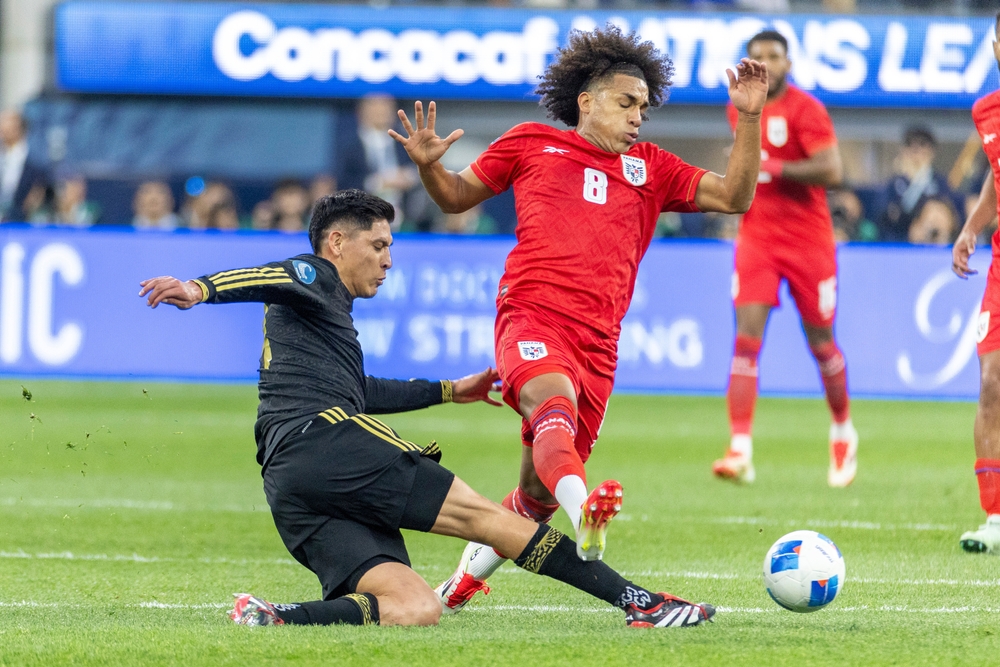
No player defines Mexico’s balance more than Álvarez. Premier League-tested and tactically mature, he screens the defence, wins duels and allows creative midfielders freedom. Against top nations, his positioning is priceless.
Key Player: Santiago Giménez
If Mexico are to exceed expectations, Giménez may be the reason. A modern striker who attacks the six-yard box, presses aggressively and finishes quickly, he gives Mexico a genuine penalty-area reference point.
Key Player: Hirving Lozano
Still the most feared transition runner. If fit and sharp, Lozano stretches defensive lines and wins dangerous fouls. In tournament football, pace changes matches.
Key Player: Johan Vásquez
Calm in possession and improving defensively, Vásquez looks capable of anchoring the back line for years. Mexico need centre-backs comfortable defending space behind them.
Wildcard: Alexis Vega
When in rhythm, Vega offers creativity between lines and can decide matches with one action. Consistency remains the question.
Veteran Factor: Guillermo Ochoa
Whether starter or squad presence, Ochoa’s World Cup history matters. Few goalkeepers rise to the stage like he has in past editions.
Depth remains stronger than in some recent cycles, especially across midfield and wide areas. The decisive call is centre-forward: does Aguirre trust current form, reputation, or tactical fit?
Strengths & Weaknesses
Strengths
Home advantage: Mexico City atmosphere can be worth real expected-goal margin over nervous opponents. Crowd pressure matters.
Midfield competitiveness: Mexico can match many second-tier nations centrally and disrupt superior teams.
Wide pace: Lozano and similar profiles create transition threat.
Tournament experience: Mexico rarely look overwhelmed by the occasion.
Weaknesses
Elite-end finishing: They often create enough half-chances but lack ruthless conversion against top defences.
Centre-back pace: High defensive lines can be exposed by direct runners.
Psychological burden: Home expectation can tighten performances if starts are slow.
Set-piece defending: Physical opponents may target them aerially.
For bettors, these strengths and weaknesses suggest Mexico unders markets can be attractive against elite opposition, while Mexico win-to-nil angles may appeal versus weaker group rivals.
Qualifying Campaign
Mexico did not take part in CONCACAF qualifying due to host status. That means there is no traditional campaign table for El Tri, but it is still useful to understand the pathway denied to them and how regional rivals qualified. Hosts Mexico, USA and Canada were granted automatic places, leaving the remaining nations to contest available berths.
| Route | Mexico Status | Impact |
| CONCACAF Qualifiers | Exempt | No competitive qualifiers |
| Friendlies | Primary prep tool | Custom opposition styles |
| Nations League / Gold Cup | Competitive matches | Useful but different level |
| World Cup Seeding Prep | Ranking dependent | Important results in friendlies |
The downside is obvious: fewer must-win fixtures. The upside is freshness, planning time and reduced travel strain. Historically, some hosts peak perfectly; others arrive undercooked. Mexico must avoid the latter.
World Cup History
Mexico are one of the World Cup’s most consistent participants and 2026 marks their 18th appearance. Their best runs came on home soil in 1970 and 1986, when they reached the quarter-finals.
Recent history is defined by the famous “fifth game” barrier. Mexico repeatedly reached the Round of 16 but failed to advance further. That pattern created both respect and frustration: respected for consistency, criticised for ceilings.
Memorable moments include stunning Germany in 2018, dramatic goalkeeper displays from Ochoa, and producing technically gifted generations that often entertained neutrals.
Hosting again changes the lens entirely. This is not about merely reaching knockouts. Supporters will expect a quarter-final at minimum, with hopes of more if the draw opens up.
Group & Fixtures
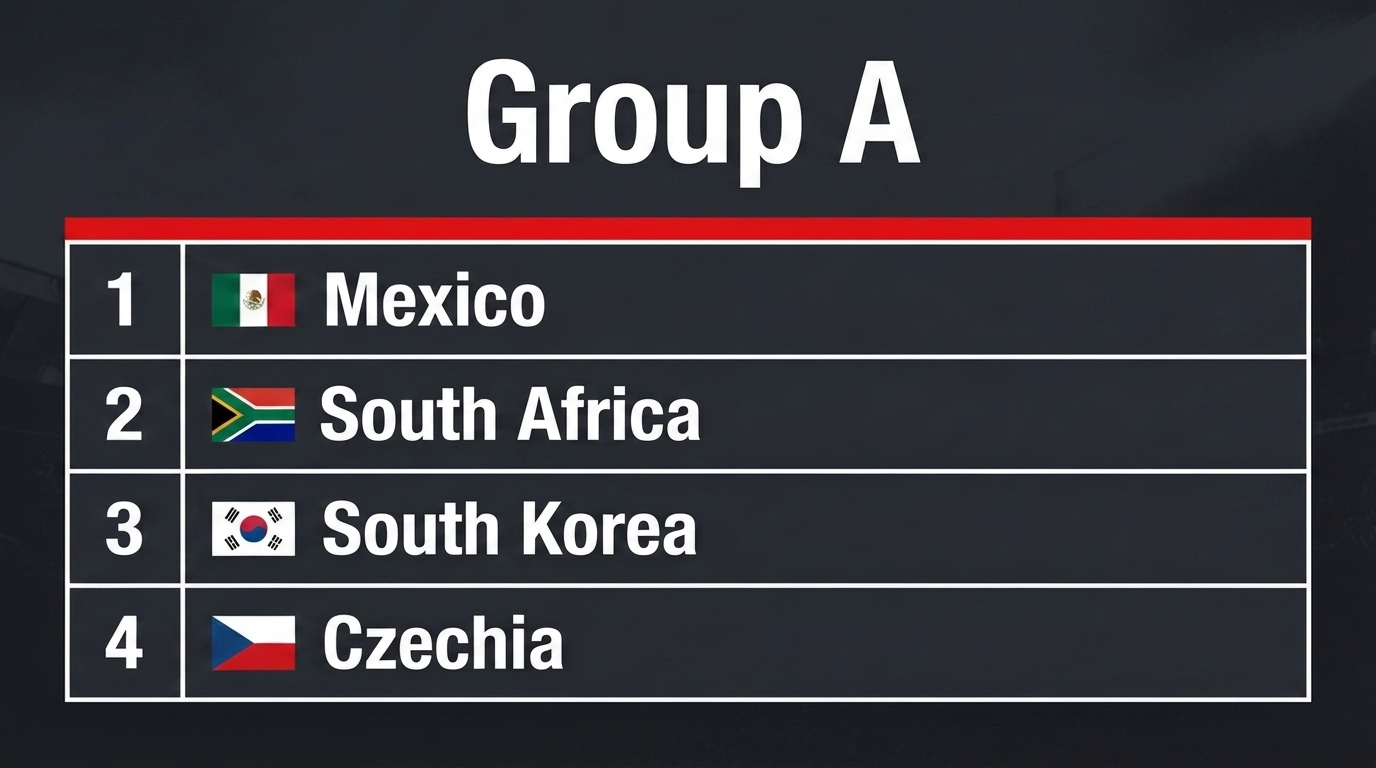
Mexico were drawn in Group South Africa, Czech, and South Korea. Their Group Stage schedule can be found below.
| Matchday | Fixtures | Date (BTS) |
| MD1 | Mexico v South Africa | 11 Jun 20:00 |
| MD2 | Mexico v South Korea | 19 Jun 02:00 |
| MD3 | Mexico v Czech | 25 Jun 02:00 |
Mexico are strong favourites to qualify. Always revisit our World Cup 2026 groups guide to view their potential opponents in the next round.
Odds & Predictions
Mexico are unlikely to start among the first-tier favourites such as France, England, Brazil or Argentina. Instead, they should sit in the second or third cluster of contenders: dangerous, respected, but not elite outright picks.
Likely market range:
| Market | Odds |
| Win World Cup | 33/1 to 66/1 |
| Reach Quarter-finals | 3/1 to 5/1 |
| Win Group | 1/3 |
| Top Goalscorer (Giménez) | 20/1 |
Best betting angles:
1. Mexico to qualify from the group if avoiding two top-15 nations.
2. Mexico under 2.5 goals in matches versus elite sides.
3. Giménez anytime scorer against lower-ranked opponents.
4. Mexico to reach Round of 16 remains realistic if seeded favourably.
Tournament prediction: Round of 16 is the baseline. Quarter-finals are achievable with a kind bracket and clinical finishing. Semi-finals would require a genuine overperformance.
Mexico should comfortably make it out of their group. Track movement in our updated [World Cup odds centre].