

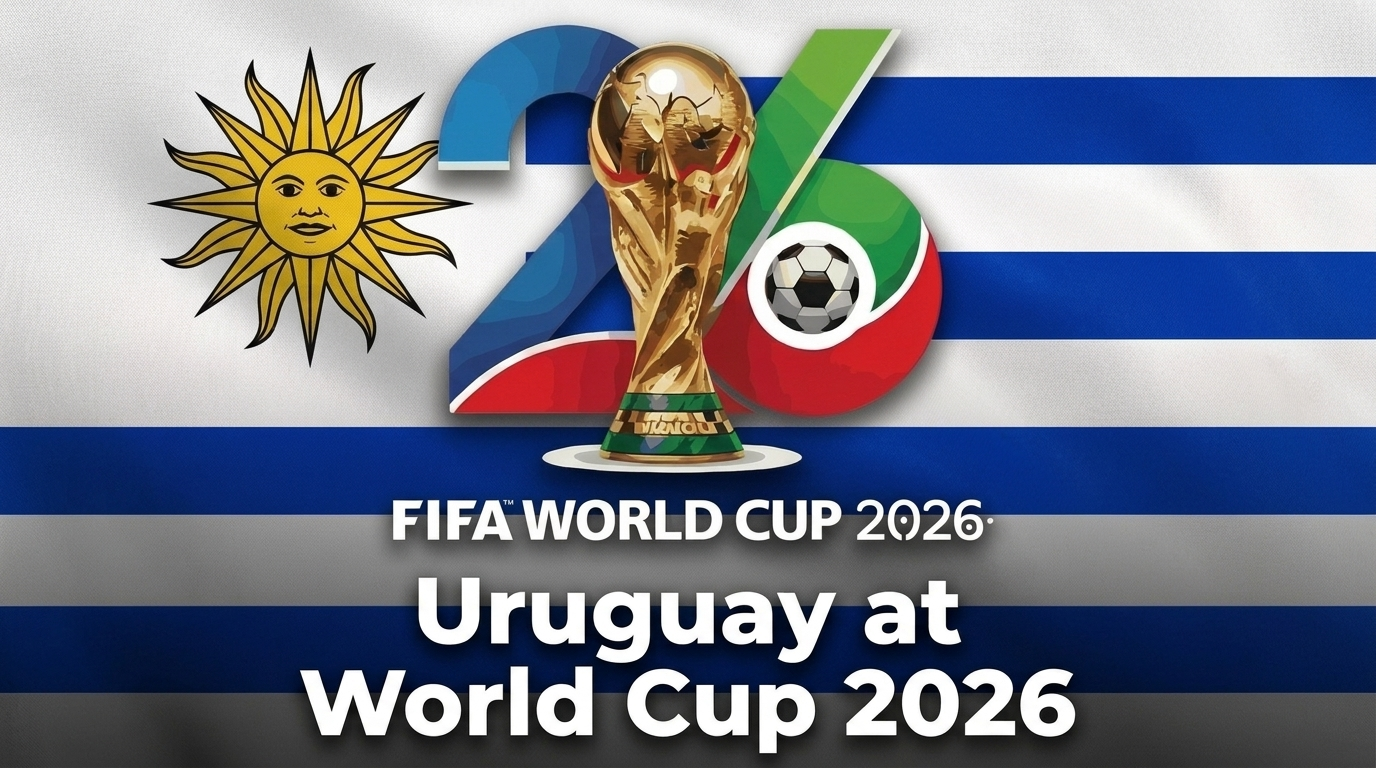
Uruguay World Cup 2026: Squad & Predictions is a fascinating study of a nation balancing elite tradition with generational change. La Celeste arrive in North America with one of South America’s strongest midfields, a proven goalscorer in Darwin Núñez, and a tactical framework shaped by Marcelo Bielsa’s relentless pressing principles. Uruguay qualified through the brutal CONMEBOL route and did so with authority, combining defensive discipline with athletic intensity.
For punters, Uruguay are one of the more interesting mid-tier contenders: strong enough to beat anyone in a one-off match, but still carrying questions around squad depth, chance conversion and whether Bielsa’s high-octane style can survive seven matches in summer conditions. They are a realistic quarter-final side with outside semi-final potential. For broader tournament markets, see our World Cup betting hub and World Cup odds comparison.
Uruguay’s Road to the World Cup
 Qualification in South America remains the hardest sustained route into any World Cup. Every side faces home-and-away fixtures against elite opposition, altitude trips, hostile atmospheres and minimal recovery time. Uruguay handled that environment impressively.
They secured qualification by finishing inside the automatic places after 18 matchdays, ending level with several rivals in a congested top six but comfortably clear of the chasing pack. Their campaign was built on structure rather than flair alone: a positive goal difference, one of the best defensive records in the section, and results against heavyweight opponents.
The standout early statement came with a home win over Brazil, a match that announced Bielsa’s methods were taking hold. Uruguay pressed high, attacked directly and looked physically superior in transitions. From there, they collected enough points through consistency rather than long unbeaten runs.
There were dips. Away matches in altitude and lower-scoring stalemates exposed their occasional lack of creativity when pressed into slower possession football. Yet qualification was never seriously in doubt once they established a cushion in the top six.
That matters for tournament bettors. Uruguay arrive battle-tested, having already played multiple knockout-style qualifiers where margins were thin and pressure intense.
Manager & Tactics
Marcelo Bielsa transformed the mood around Uruguay. Known across the Premier League for influencing managers such as Pep Guardiola and Mauricio Pochettino, Bielsa has given Uruguay a more aggressive identity without discarding their historic resilience.
His preferred base shape is fluid: nominally 4-3-3, but often shifting into a 3-3-1-3 or 4-1-4-1 during build-up. Full-backs push high, midfielders rotate constantly, and forwards are expected to press centre-backs relentlessly.
Key tactical principles:
1. High Press
Uruguay hunt the ball early. They try to force turnovers in advanced zones, creating quick chances before opponents can reset.
2. Vertical Progression
Rather than sterile possession, passes are played through lines quickly. Federico Valverde’s running power is central here.
3. Wide Overloads
Wingers hold width while full-backs overlap, stretching back fours and opening lanes for cut-backs.
4. Midfield Intensity
Manuel Ugarte gives them bite, while creative runners such as Nicolás de la Cruz and Giorgian de Arrascaeta add tempo.
The upside is obvious: Uruguay can overwhelm elite opponents for 20-minute spells. The downside is equally clear: Bielsa sides sometimes leave space behind the press, especially late in matches or during congested fixture periods.
Uruguay World Cup 2026 Players
At tournament level, game-state management becomes crucial. Uruguay do not always need chaos against weaker sides; measured control may be more valuable. If Bielsa shows pragmatism, their ceiling rises sharply.
Squad & Key Players
| Position | Likely Starter | Club (2025-26) | Role |
| GK | Sergio Rochet | Internacional | Reliable shot-stopper |
| RB | Nahitan Nández | Al-Qadsiah | Energy, pressing, overlaps |
| CB | Ronald Araújo | Barcelona | Defensive leader |
| CB | Sebastián Cáceres | Club América | Aerial strength |
| LB | Mathías Olivera | Napoli | Balance on left side |
| CM | Federico Valverde | Real Madrid | Box-to-box engine |
| CM | Manuel Ugarte | Manchester United | Ball-winning shield |
| AM | Nicolás de la Cruz | Flamengo | Creativity, set pieces |
| RW | Facundo Pellistri | Panathinaikos | Direct running |
| ST | Darwin Núñez | Liverpool | Primary scorer |
| LW | Maximiliano Araújo | Sporting CP | Ball-carrying threat |
Darwin Núñez
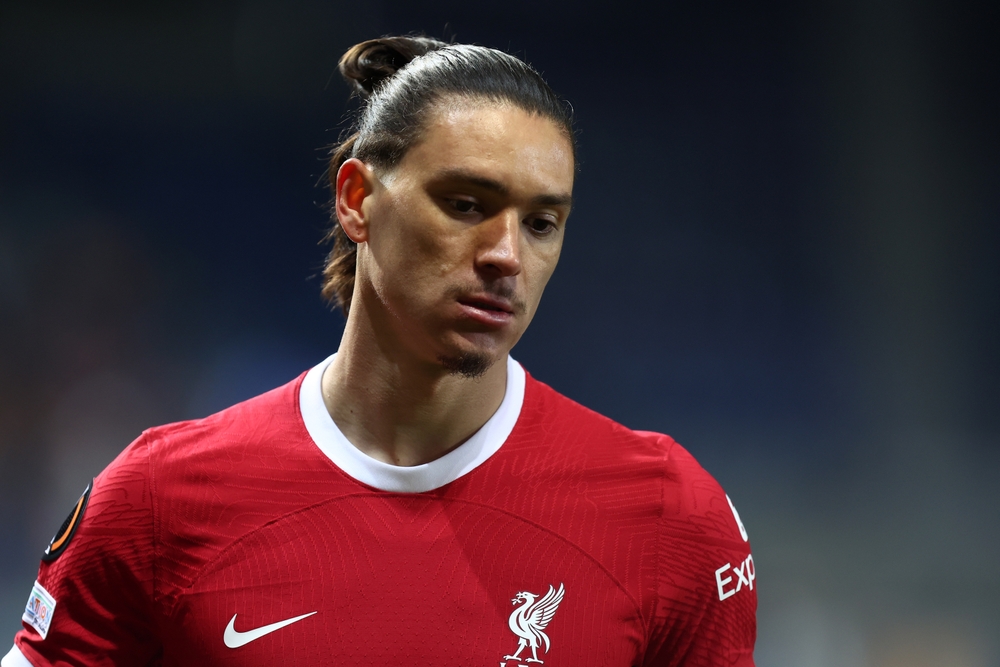
The headline name for UK readers thanks to his Liverpool profile. Núñez remains streaky, but few forwards generate as much chaos. His pace behind the line is perfect for Bielsa’s transition game. If he converts chances efficiently, Uruguay become dangerous outsiders.
Federico Valverde
Arguably the team’s most important player. Valverde covers enormous ground, can strike from distance, breaks presses and supports both boxes. In betting terms, he is a strong anytime outside-shot or cards-related market angle due to involvement volume.
Ronald Araújo
Elite one-v-one defender when fit. His recovery speed allows Uruguay to defend high. Injury management will be critical before the tournament.
Manuel Ugarte
Premier League followers know his intensity. He screens counters, wins second balls and allows Valverde more freedom.
Creative Options
De la Cruz and De Arrascaeta provide the subtlety that pure pressing teams often lack. Against deep blocks, their passing range becomes vital.
Depth Watch
Uruguay’s first XI is strong, but the gap to reserve options is more noticeable than with Argentina, France or England. That matters across a month-long tournament.
Strengths & Weaknesses
Strengths
Midfield Quality: Valverde, Ugarte and De la Cruz can compete physically and technically with almost any trio.
Defensive Solidity: Their qualifying goals-against numbers ranked among the better records in CONMEBOL.
Intensity: Few nations press with comparable commitment.
Tournament Mentality: Uruguay traditionally embrace attritional knockout football.
Weaknesses
Finishing Variance: Núñez and others can miss high-value chances, creating volatility.
Squad Depth: Injuries to Valverde or Araújo would materially lower their level.
Space in Transition: Aggressive pressing can be punished by elite passers.
Discipline Risk: Emotional matches can produce cards, suspensions and momentum swings.
From a betting perspective, Uruguay often profile well in unders markets against top sides and to qualify from groups markets, but can be less trustworthy as short-priced favourites versus compact underdogs.
Qualifying Campaign
Uruguay’s qualifying numbers reflected a balanced side rather than a one-dimensional attacking team. They scored 22 goals and conceded only 12 across 17 matches before the final round snapshot available in major data sources, then completed qualification in the top six.
| Metric | Uruguay |
| Final Position | 4th |
| Points | 28 |
| Goals For | 22 |
| Goals Against | 12 |
| Goal Difference | +10 |
Those figures suggest efficiency. They were not the highest scorers, but they rarely lost control of matches. That profile often translates better to tournament football than teams reliant on open, high-scoring contests.
Important takeaway for punters: Uruguay’s route was built on repeatable fundamentals-defending, midfield control and athleticism-rather than unsustainable hot finishing streaks.
World Cup History
Uruguay’s pedigree commands respect. They were the inaugural world champions in 1930 and won again in 1950, famously defeating Brazil at the Maracanã in one of football’s defining upsets.
Modern runs underline continued relevance. They reached the semi-finals in 2010, the quarter-finals in 2018, and have consistently qualified in the modern era. For a nation of modest population size, their tournament overperformance is remarkable.
This matters in betting markets. Some nations carry expectation badly; Uruguay usually embrace it. They understand game management, dark arts, emotional control and knockout tension better than many more glamorous sides.
That heritage does not score goals in 2026, but it often shows in marginal moments.
Group & Fixtures
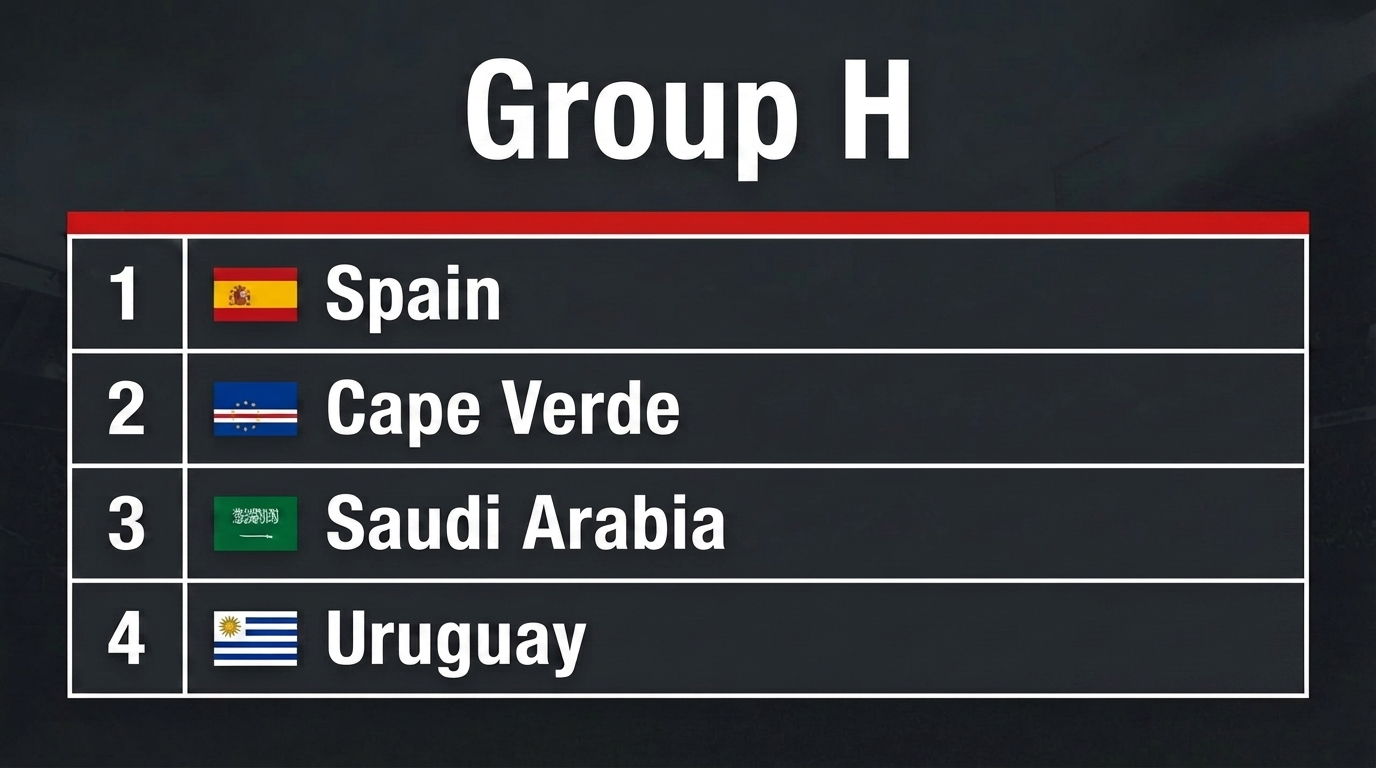
Uruguay were drawn in H alongside Saudi Arabia, Cape Verde, and Spain. This is how their Group Stages fixtures look.
| Matchday | Opponent | Venue | Status |
| 1 | Saudi Arabia | Hard Rock Stadium, Miami | 15 Jun 23:00 |
| 2 | Cape Verde | Hard Rock Stadium, Miami | 21 Jun 23:00 |
| 3 | Spain | Akron Stadium, Zapopan | 27 Jun 01:00 |
Odds & Predictions
Uruguay to below the elite bracket of France, Brazil, Argentina, England and Spain, but above many second-tier contenders.
Estimated Market Range:
| Market | Odds |
| Win World Cup | 20/1 |
| Reach Semi-Finals | 5/1 to 8/1 |
| Reach Quarter-Finals | 2/1 to 4/1 |
| Qualify From Group | 1/2 |
Best Angles:
1. Uruguay to qualify from group.
2. Uruguay under 2.5 goals in matches against elite nations.
3. Darwin Núñez anytime scorer versus higher defensive lines.
4. Uruguay to win on cards count in combative fixtures where available.
Tournament Prediction: Quarter-finals.
If they land on the softer half of the bracket and keep key defenders fit, a semi-final run is plausible. If forced into repeated high-tempo games against top technical sides, depth may catch up with them.
Uruguay World Cup 2026: Squad & Predictions ultimately points to a dangerous outsider. They have enough steel, pace and tournament know-how to trouble favourites, and enough flaws to prevent full trust as outright picks. Smart bettors will likely find more value in stage-based markets than the winner market.
Uruguay are rarely easy opponents and rarely overawed. In knockout football, that combination always deserves respect.