

The 2026 FIFA World Cup will be staged across more venues than any tournament since Japan and South Korea co-hosted in 2002. Sixteen stadiums in three countries, eleven in the United States, three in Mexico and two in Canada, will host 104 matches over 39 days between 11 June and 19 July 2026. The venues range from the historic Estadio Azteca in Mexico City, which becomes the only stadium ever to have hosted matches at three separate World Cups, to SoFi Stadium in Inglewood, a $5.5 billion architectural marvel that will also stage the 2028 Olympic Games. For England supporters, three venues matter above all others: AT&T Stadium in Arlington (England vs Croatia), Gillette Stadium in Boston (England vs Ghana) and MetLife Stadium in New Jersey (Panama vs England), with MetLife doubling as the venue for the final itself on 19 July. Scotland play all three of their group fixtures on the US East Coast, with two matches at Gillette Stadium in Boston and the final group game against Brazil at Hard Rock Stadium in Miami. This is your complete guide to all 16 World Cup 2026 stadiums. For the full fixture list with UK kick-off times, see our World Cup 2026 schedule guide, and visit our World Cup 2026 hub for all the latest tournament coverage.
The Venue Map: 16 Stadiums, Three Countries, Four Time Zones
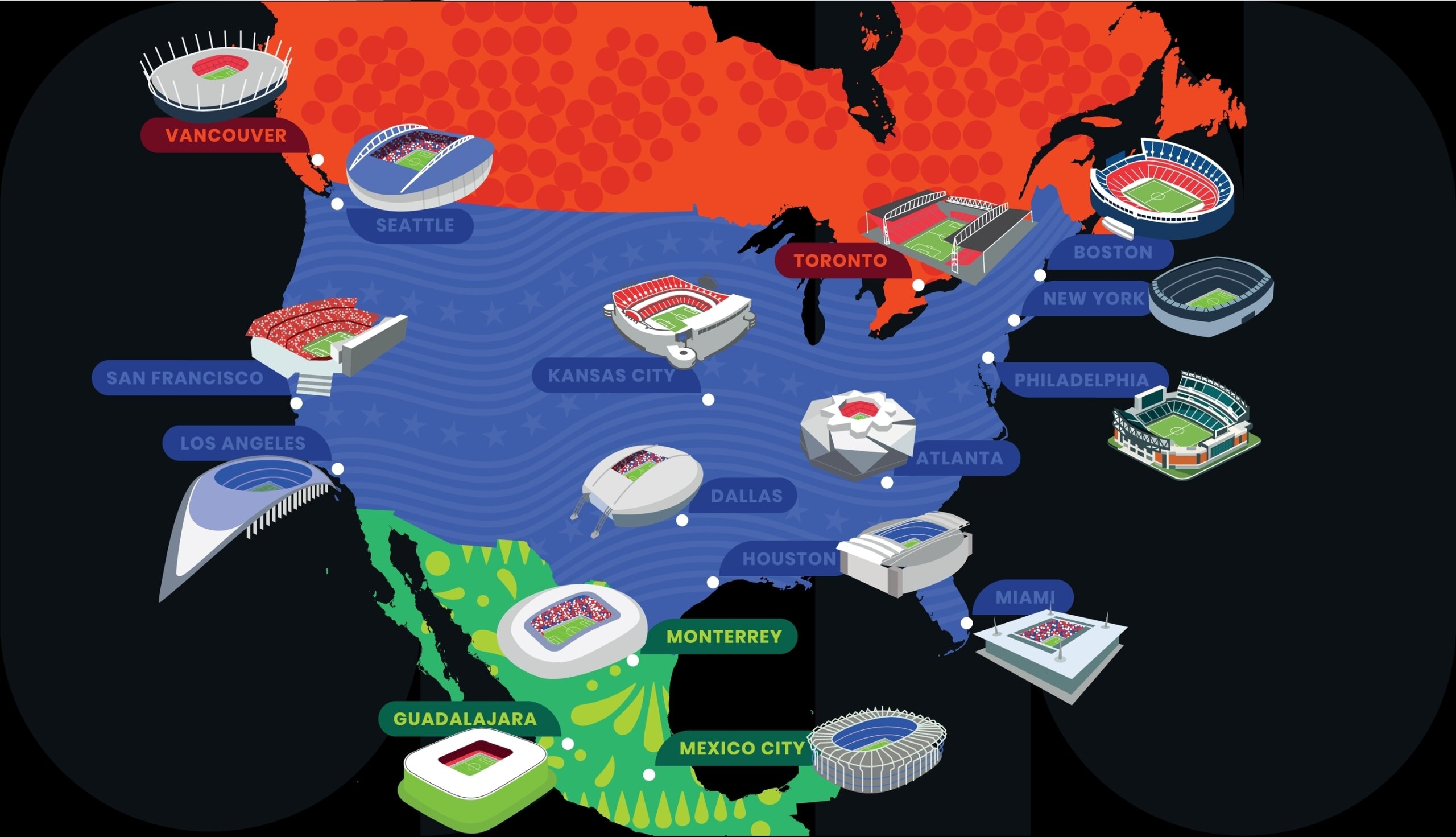
The geographic footprint of the 2026 World Cup dwarfs every previous tournament. The 16 host venues span more than 4,000 miles from north to south, crossing four distinct time zones and encompassing climates from the heat of Miami and Houston to the Pacific cool of Seattle and Vancouver. FIFA organised the venues into three regional clusters to minimise travel distances for teams during the group stage: a Western cluster (Los Angeles, San Francisco, Seattle, Vancouver), a Central cluster (Dallas, Houston, Kansas City, Guadalajara, Mexico City, Monterrey) and an Eastern cluster (New York/New Jersey, Boston, Philadelphia, Atlanta, Miami, Toronto).
The United States hosts 11 of the 16 venues and will stage 78 of the 104 matches, including every fixture from the quarter-finals onward. Mexico’s three stadiums will host 13 matches in total, including the tournament opener, while Canada’s two venues account for a further 13 fixtures. Eight of the 16 stadiums primarily used artificial turf have had hybrid grass surfaces installed ahead of the tournament, following widespread criticism of the Copa América 2024 pitch conditions at several venues. FIFA mandated that all 16 pitches use a surface of at least 90 per cent natural grass with a synthetic fibre reinforcement, a direct response to player complaints that prompted pre-tournament headlines. The largest venue in the tournament is AT&T Stadium in Arlington, Texas, with a capacity of approximately 94,000 for football; the smallest is BMO Field in Toronto at around 45,000.
The 11 US Venues: From Arlington to Seattle
AT&T Stadium (Dallas Stadium), Arlington, Texas – Capacity: ~94,000 | Matches: 9
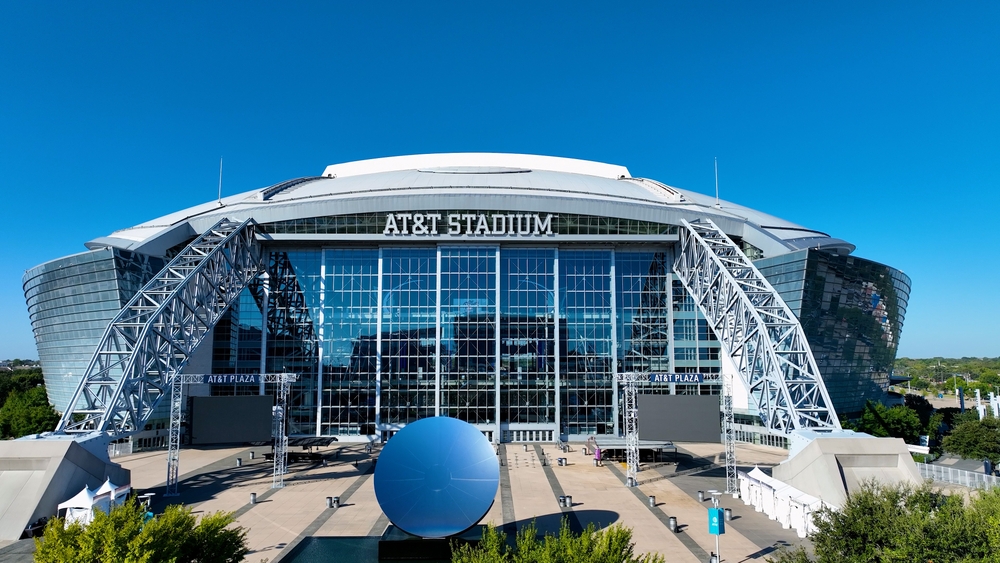
The largest stadium in the entire 2026 World Cup and the tournament’s busiest venue, AT&T Stadium in Arlington hosts nine matches, more than any other venue, including two group-stage appearances from Argentina, England’s opening fixture against Croatia on 17 June (9pm BST), and the first semi-final on 14 July. Known to Dallas Cowboys fans as the “Death Star” for its imposing retractable-roof design, the stadium opened in 2009 and has hosted Super Bowls, WrestleManias and the Concacaf Gold Cup. For England supporters making the trip, Arlington lies between Dallas and Fort Worth, there is no direct metro link, so pre-booked transport is essential, and FIFA warns that roads around the stadium become severely congested three hours before kick-off. The venue will be temporarily stripped of its AT&T branding under FIFA’s commercial naming policy and referred to officially as Dallas Stadium throughout the tournament.
Mercedes-Benz Stadium (Atlanta Stadium), Atlanta, Georgia – Capacity: ~75,000 | Matches: 8
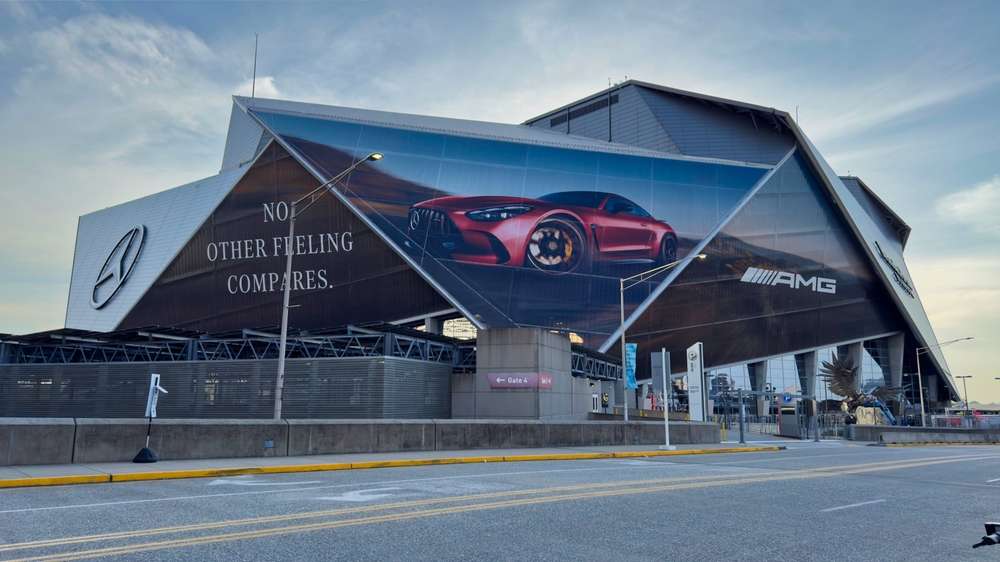
Home of the NFL’s Atlanta Falcons and MLS side Atlanta United, Mercedes-Benz Stadium hosts eight fixtures including the second semi-final on 15 July. The retractable roof remains closed for all World Cup matches, providing climate-controlled conditions in the Georgia summer heat. The artificial turf surface drew fierce criticism at Copa América 2024, players described it as “a disaster”, and was entirely removed in January 2026, with a bespoke hybrid pitch of Kentucky blue and perennial ryegrass grown in Colorado over a full year installed as its replacement. Key group-stage fixtures include Spain vs Cape Verde (15 June) and Spain vs Saudi Arabia (21 June). Morocco vs Haiti (24 June) also takes place here, making Atlanta a hub for the tournament’s North and Central African contingent.
Gillette Stadium (Boston Stadium), Foxborough, Massachusetts – Capacity: ~65,000 | Matches: 7
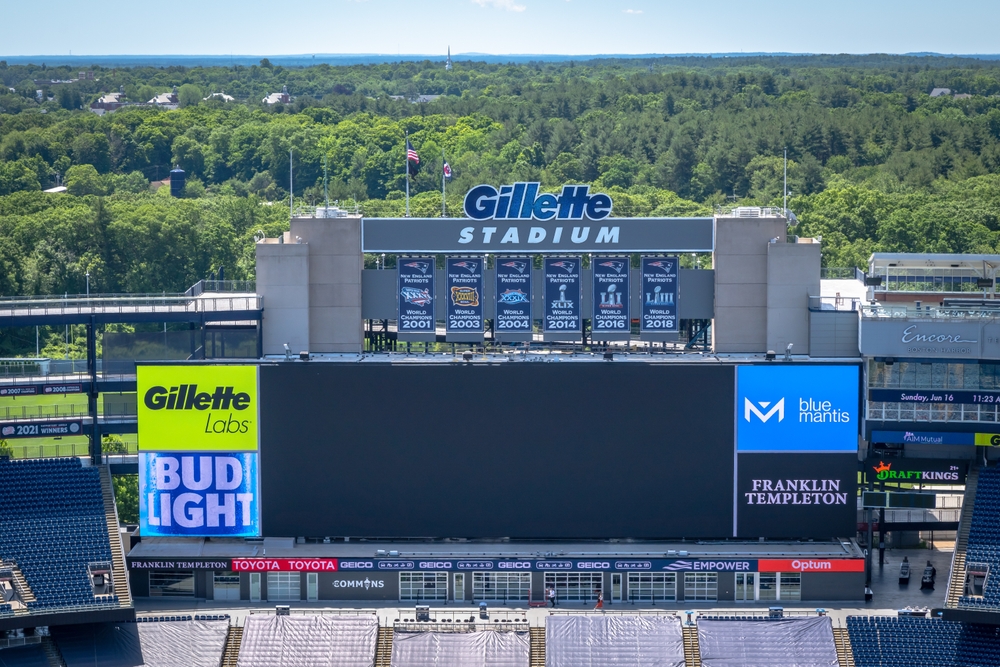
For Scotland supporters, this is the stadium that matters most. Gillette Stadium, home to the New England Patriots and the New England Revolution, hosts seven World Cup matches including England’s second group fixture (England vs Ghana, 23 June, 9pm BST), Scotland’s opening match against Haiti (14 June, 2am BST) and Scotland vs Morocco (19 June, 11pm BST). It also hosts a quarter-final. The venue underwent renovation ahead of the tournament and has history in women’s football, having staged matches at the 2003 FIFA Women’s World Cup. Boston has no tailgating culture at this stadium under World Cup operating conditions, and a dedicated express bus service (approximately $95 return) has been introduced for supporters without cars.
MetLife Stadium (New York New Jersey Stadium), East Rutherford, New Jersey – Capacity: 82,500 | Matches: 8
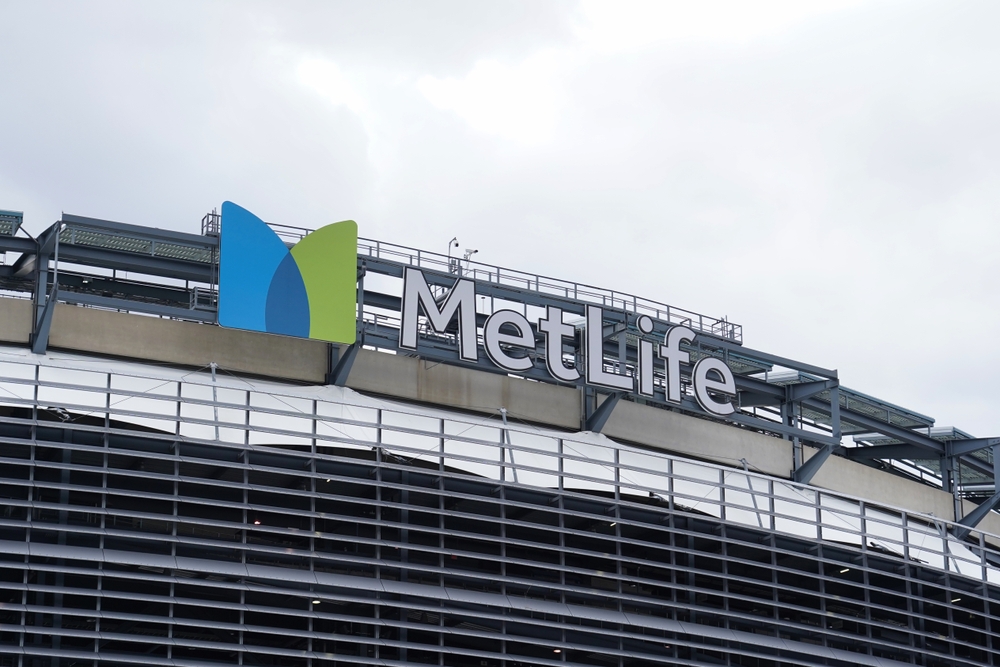
See the dedicated section below – this is where the 2026 World Cup final takes place.
SoFi Stadium (Los Angeles Stadium), Inglewood, California – Capacity: ~70,000 | Matches: 8
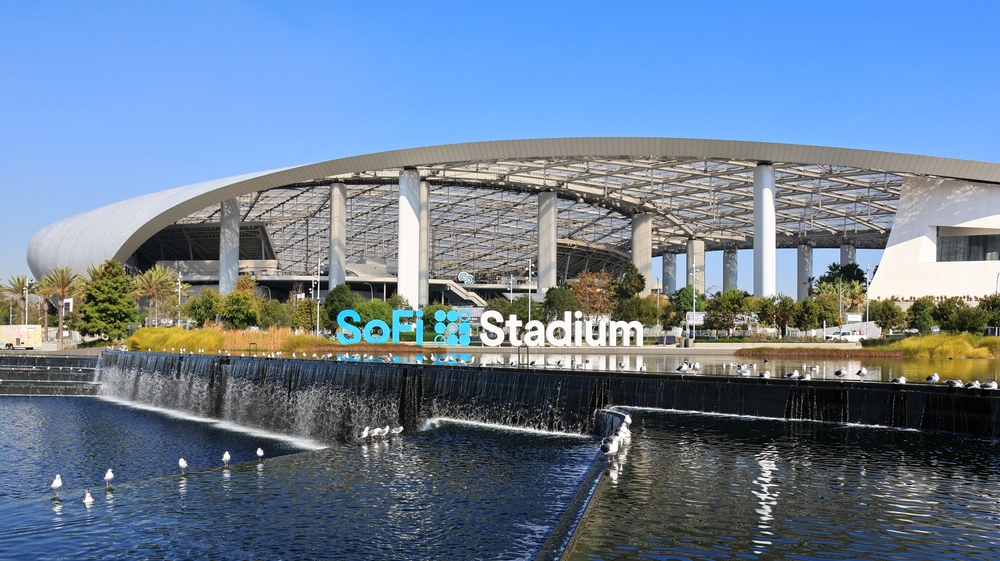
Opened in 2020 at a reported cost of $5.5 billion, SoFi Stadium is the most technologically advanced venue in the tournament. Home to the NFL’s Los Angeles Rams and Chargers, it will also host Super Bowl LXI in February 2027 and the 2028 Olympic Games. Two of the United States’ group-stage matches take place here, making it the American national team’s primary home for the tournament. The stadium’s translucent roof cover provides shade but no climate control, the open sides mean temperatures inside track the ambient Californian heat. SoFi hosts a quarter-final in addition to its group-stage and Round of 32 fixtures, cementing Los Angeles as one of the tournament’s marquee cities.
Hard Rock Stadium (Miami Stadium), Miami Gardens, Florida – Capacity: ~65,000 | Matches: 7
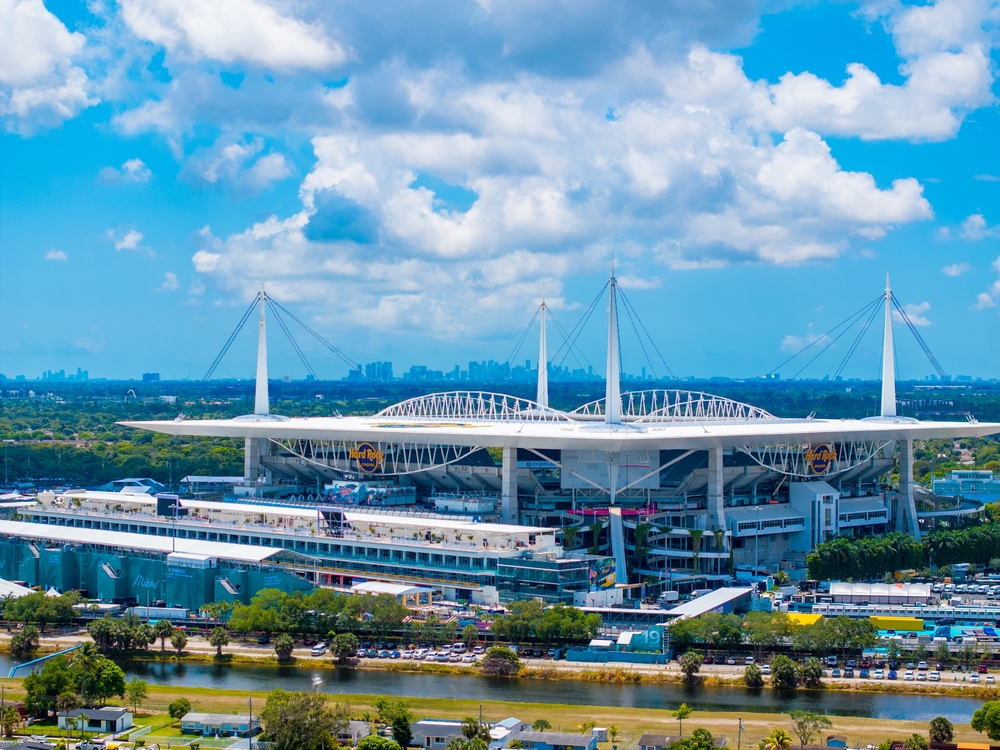
Scotland’s most significant group match, against Brazil on 24 June (11pm BST), takes place at Hard Rock Stadium, home of the NFL’s Miami Dolphins and the annual Formula 1 Miami Grand Prix. Miami hosts seven matches in total, including a quarter-final and the third-place play-off on 18 July. The humidity and heat of South Florida in late June is a genuine physical factor, temperatures regularly exceed 32°C with high humidity, and FIFA’s medical team has flagged Miami as one of the tournament’s most thermally challenging venues. Teams competing here late in their group stage may carry a fatigue disadvantage into the knockout rounds.
NRG Stadium (Houston Stadium), Houston, Texas – Capacity: ~72,000 | Matches: 5
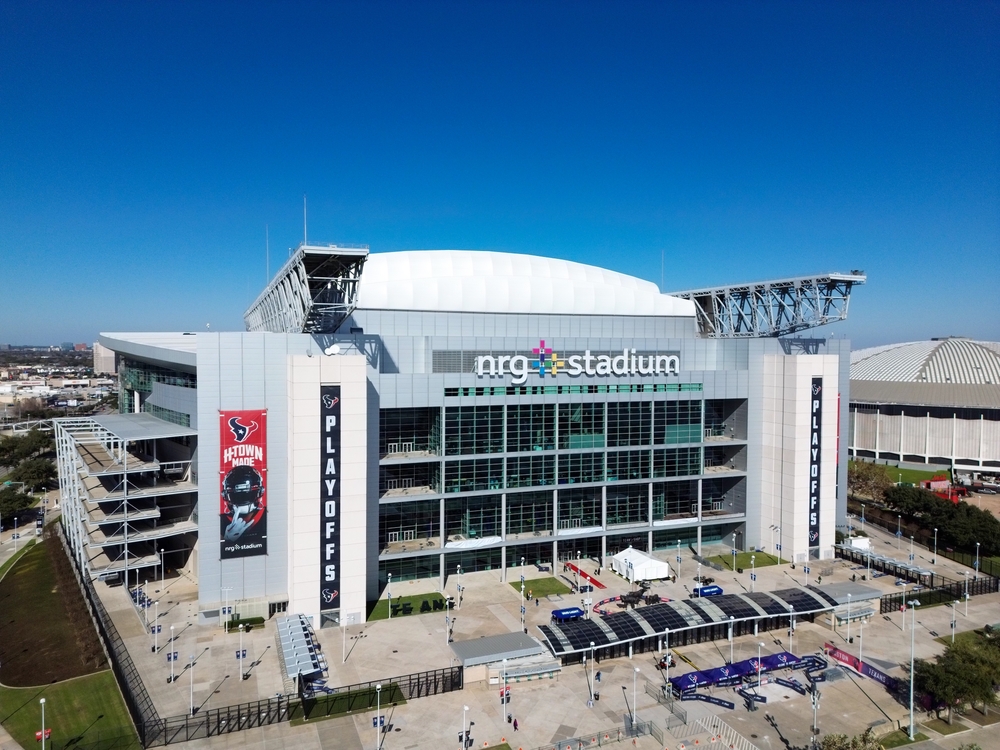
Home to the NFL’s Houston Texans, NRG Stadium hosts five group-stage fixtures and a Round of 16 match. The retractable roof and air-conditioning system make it one of the most comfortable venues in terms of playing conditions, a significant advantage given Houston’s notorious summer humidity. Germany’s opening fixture against Curaçao (14 June) takes place here, as does Portugal vs DR Congo (17 June). The Round of 16 fixture on 4 July coincides with US Independence Day, a scheduling decision that has generated considerable local excitement.
Arrowhead Stadium (Kansas City Stadium), Kansas City, Missouri – Capacity: ~76,640 | Matches: 5
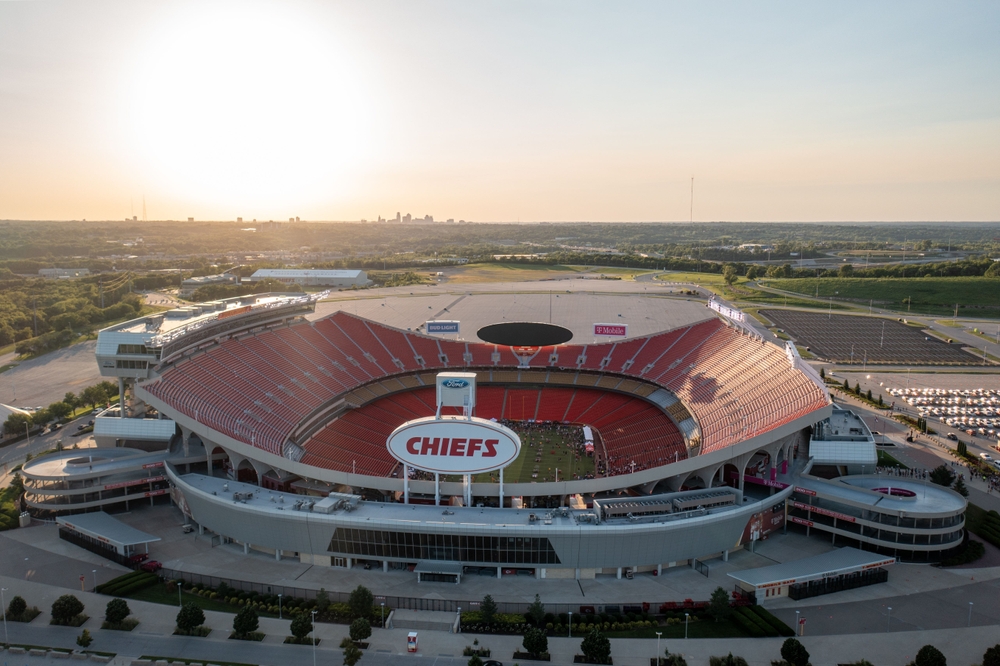
According to Guinness World Records, Arrowhead Stadium holds the record for the loudest outdoor sporting venue on the planet, Kansas City Chiefs fans registered 142.2 decibels in 2014, a figure that has never been beaten. Home to the Chiefs and MLS’s Sporting KC, the stadium hosts five World Cup matches including France vs Senegal (16 June, 8pm BST) and Argentina vs Algeria (17 June, 2am BST). The open-air bowl’s noise-amplifying design means an atmosphere that has genuinely unnerved visiting NFL teams for decades, international supporters are in for an experience.
Lincoln Financial Field (Philadelphia Stadium), Philadelphia, Pennsylvania – Capacity: ~69,000 | Matches: 6
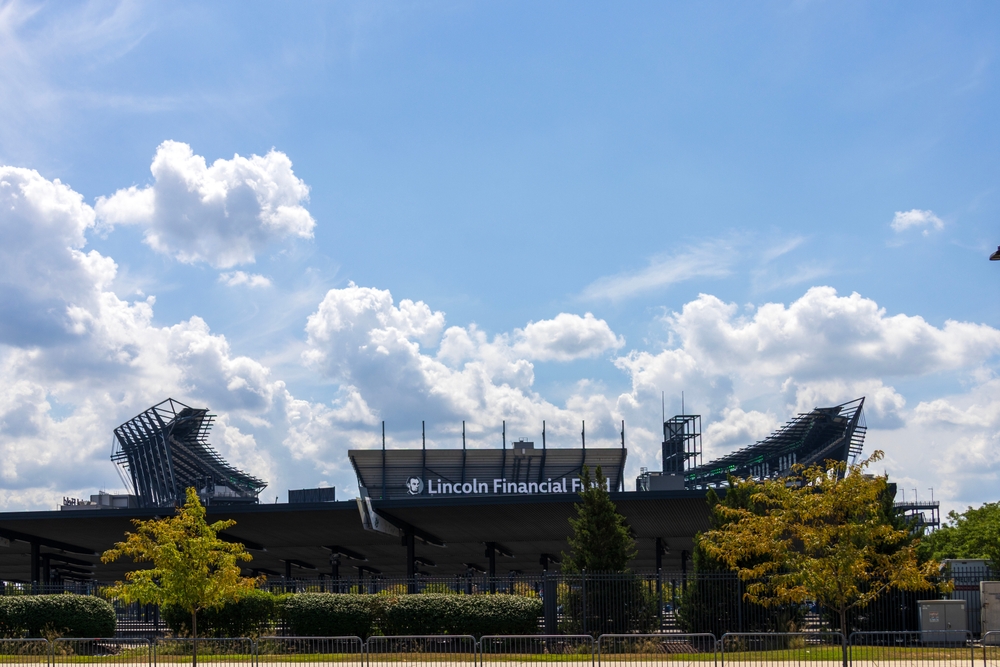
Home to the NFL’s Philadelphia Eagles, Lincoln Financial Field hosts six World Cup matches including a Round of 32 fixture on 4 July – the 250th anniversary of American independence, creating a unique backdrop for what could be a high-profile knockout tie. Group-stage fixtures include Côte d’Ivoire vs Ecuador (14 June) and Brazil vs Haiti (19 June). Philadelphia’s passionate football culture and its status as one of the US East Coast’s most accessible cities make it one of the tournament’s most anticipated host locations for travelling fans.
Lumen Field (Seattle Stadium), Seattle, Washington – Capacity: ~69,000 | Matches: 6
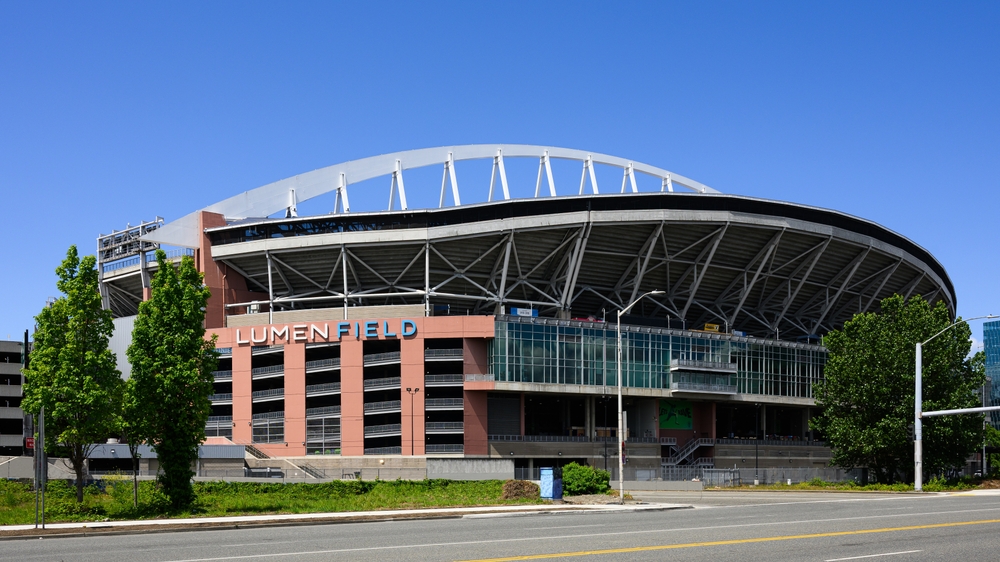
Home of the NFL’s Seattle Seahawks, MLS’s Seattle Sounders and NWSL’s OL Reign, Lumen Field hosts six matches including a USMNT group-stage fixture and Belgium’s opening game against Egypt (15 June). The open-air stadium in the Pacific Northwest is one of the tournament’s cooler venues, average June temperatures in Seattle hover around 18°C, making it a comfortable environment for teams from northern European or temperate climates. The Sounders’ fanbase has made Lumen Field one of the most atmospherically intense football venues in North America, and the World Cup crowd is expected to sustain that intensity.
Levi’s Stadium (San Francisco Bay Area Stadium), Santa Clara, California – Capacity: ~70,909 | Matches: 6
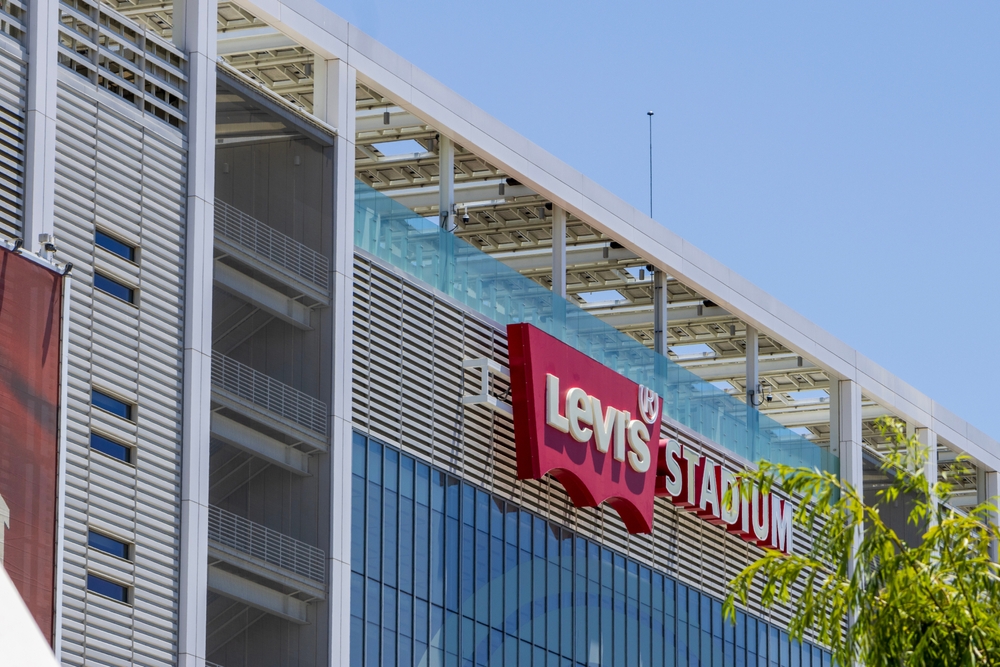
Home of the NFL’s San Francisco 49ers, Levi’s Stadium hosted Super Bowl LX in February 2026 and now pivots directly to the World Cup. Located in Silicon Valley, the open-air venue hosts six fixtures including Qatar vs Switzerland (13 June) and Austria vs Jordan (17 June). A recent $200 million renovation delivered the largest outdoor 4K video displays in the NFL. The stadium sits within the greater San Francisco Bay Area, arguably the most expensive travel destination of any World Cup venue, meaning accommodation costs require particularly early planning for visiting supporters.
The Three Mexican Venues: History, Altitude and Home-Nation Passion
Estadio Azteca (Estadio Ciudad de México), Mexico City – Capacity: ~87,500 | Matches: 5
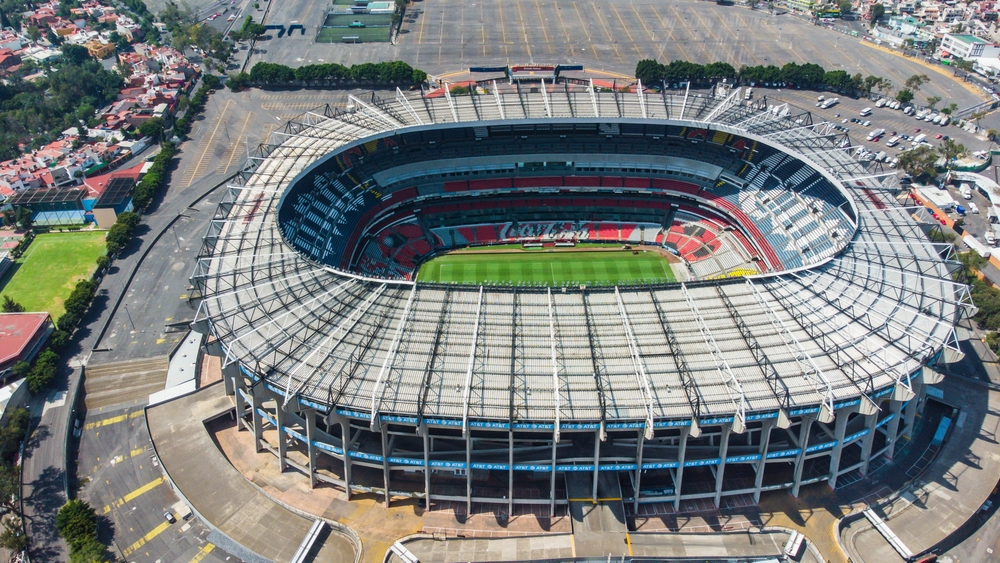
No other stadium in football history carries the weight of the Estadio Azteca. Built for the 1968 Olympics and then staging the 1970 and 1986 World Cups, it becomes the first and only venue to host matches at three separate men’s World Cups when Mexico kick off the 2026 tournament against South Africa here on 11 June (8pm BST). This is the pitch where Pelé lifted the Jules Rimet Trophy in 1970, where Diego Maradona both cheated and conjured genius against England in the 1986 quarter-final, and where the tournament’s most memorable individual moments have been created across two generations.
The stadium closed in May 2024 for a comprehensive 665-day renovation, one of the most extensive in its history. When it reopened on 28 March 2026, the capacity had increased from approximately 83,000 to 87,500 following the removal of outdated lounge structures and the restoration of lower-tier seating. The renovation also installed a new 250-speaker sound system, a photovoltaic roof for sustainability, new hybrid pitch, upgraded dressing rooms and two giant video screens. Known commercially as Estadio Banorte following a 2025 sponsorship deal, FIFA will refer to it as Estadio Ciudad de México throughout the tournament. The altitude of Mexico City, approximately 2,240 metres above sea level, is a significant performance factor for visiting teams, particularly those from sea-level nations who have not acclimatised in advance. The stadium hosts five matches including three Mexico group games and a Round of 32 knockout fixture.
Estadio BBVA (Monterrey Stadium), Guadalupe, Nuevo León – Capacity: ~53,500 | Matches: 4
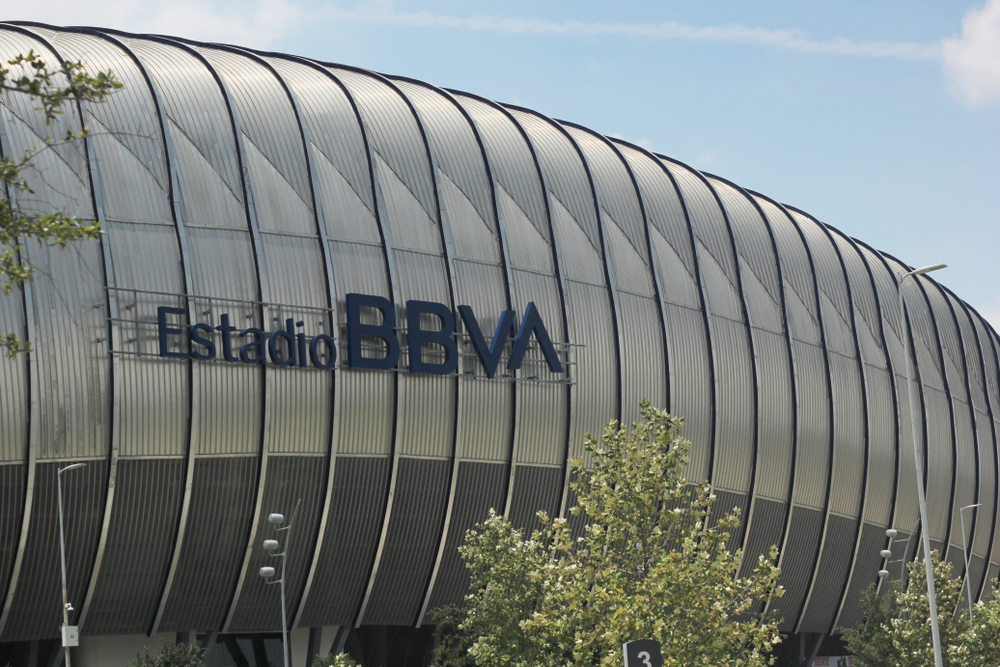
Opened in 2015, Estadio BBVA is regarded as one of the most architecturally striking modern stadiums in Latin America. Home to CF Monterrey and nestled against the dramatic backdrop of the Cerro de la Silla mountain, the arena hosts four World Cup matches including Sweden vs Tunisia (15 June) and the Norway vs Senegal Matchday 2 fixture (22 June, 1am BST). Monterrey sits at approximately 540 metres above sea level, significantly lower than Mexico City but still enough to affect players from sea-level nations. The city’s northern Mexican food culture and mountain landscape make it one of the more distinctive host destinations in the tournament.
Estadio Akron (Guadalajara Stadium), Zapopan, Jalisco – Capacity: ~48,071 | Matches: 4
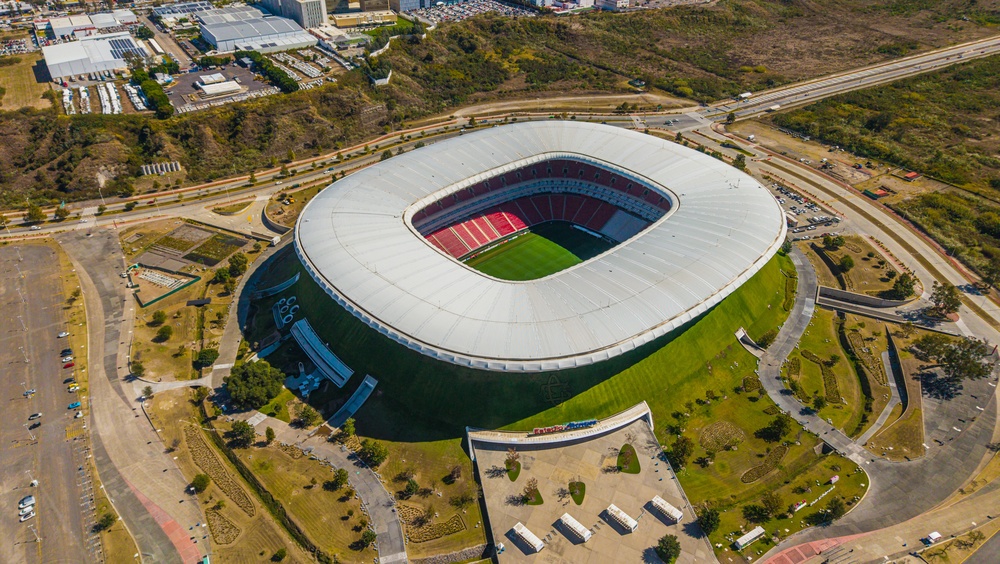
Home to CD Guadalajara, better known as Chivas and one of Mexico’s most passionately supported clubs, Estadio Akron sits just outside Guadalajara in Zapopan at an altitude of approximately 1,560 metres above sea level. The venue hosts four fixtures including Mexico vs South Korea (Matchday 2) and South Korea vs Czechia (Matchday 1 opener on 12 June, 3am BST). As the only one of the 16 World Cup venues not guaranteed a knockout-stage fixture, Estadio Akron’s World Cup appearance is entirely concentrated in the group stage, making its matches among the most competitively charged of the tournament’s early rounds, with no room for complacency from any of the competing sides.
The Two Canadian Venues: Toronto and Vancouver
BMO Field (Toronto Stadium), Toronto, Ontario – Capacity: ~45,000 | Matches: 6
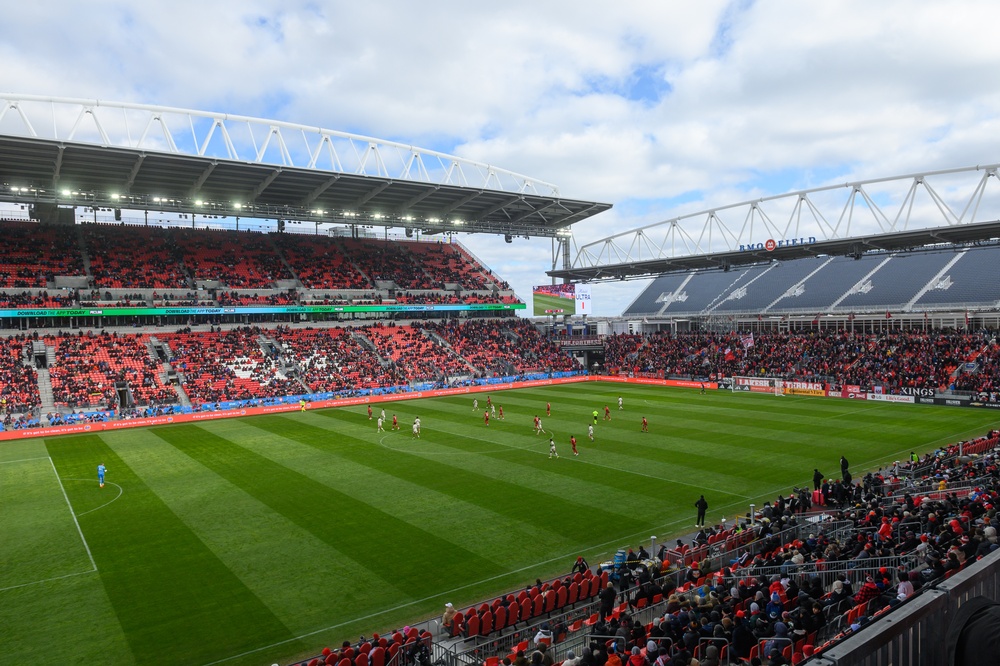
Canada’s smallest World Cup venue and home to Toronto FC and the Toronto Argonauts of the Canadian Football League, BMO Field hosts six fixtures including Canada’s opening match against Bosnia and Herzegovina on 12 June (8pm BST). It was at this exact ground that Canada secured their Qatar 2022 qualification by beating Jamaica, a moment that ended the nation’s 36-year absence from the World Cup and galvanised a new generation of Canadian football supporters. Scotland’s Panama vs Croatia fixture (24 June) also takes place here. The compact, open-air stadium has an intimate atmosphere for its size; Canadian fans will be in full voice behind their host nation.
BC Place (Vancouver Stadium), Vancouver, British Columbia – Capacity: ~54,000 | Matches: 7
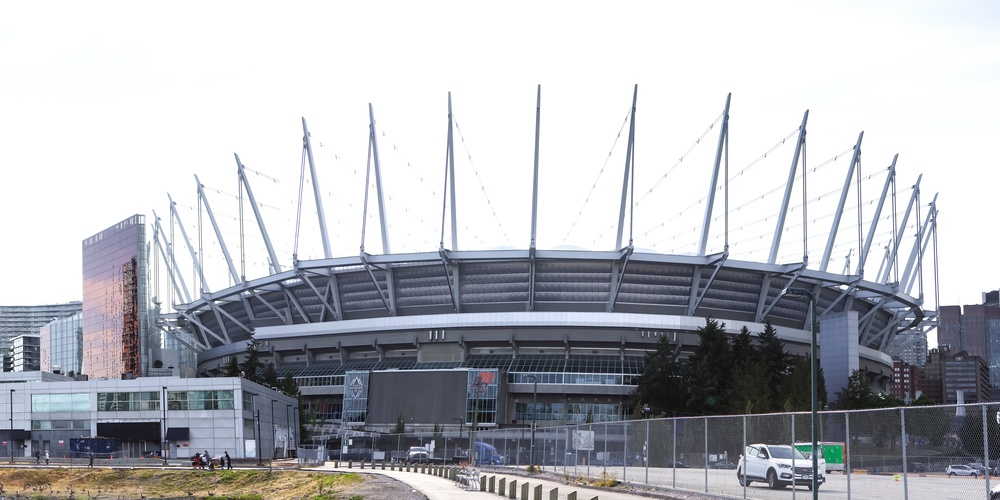
The venue that served as the centrepiece of the 2010 Winter Olympics hosts seven World Cup matches – the joint second-highest match count of any Canadian or Mexican venue – including Canada’s second and third group-stage fixtures (Canada vs Qatar, 18 June; Switzerland vs Canada, 25 June). BC Place’s retractable roof provides a covered playing environment, making it one of the more reliable venues in terms of pitch conditions. Located on the False Creek waterfront with Vancouver’s mountain backdrop, it is arguably the most visually striking setting of the 16 World Cup venues. Australia vs Türkiye (13 June, 5am BST) is the first fixture staged here, and the stadium also hosts a Round of 32 knockout match.
All 16 World Cup 2026 Venues: Quick Reference Table
| FIFA Name | Real Name | City | Country | Capacity | Matches | Key Stage |
| Dallas Stadium | AT&T Stadium | Arlington, Texas | USA | ~94,000 | 9 | Semi-final (14 Jul) |
| New York New Jersey Stadium | MetLife Stadium | East Rutherford, NJ | USA | 82,500 | 8 | Final (19 Jul) |
| Estadio Ciudad de México | Estadio Azteca | Mexico City | Mexico | ~87,500 | 5 | Opening match (11 Jun) |
| Atlanta Stadium | Mercedes-Benz Stadium | Atlanta, Georgia | USA | ~75,000 | 8 | Semi-final (15 Jul) |
| Kansas City Stadium | Arrowhead Stadium | Kansas City, MO | USA | ~76,640 | 5 | Round of 32 |
| Houston Stadium | NRG Stadium | Houston, Texas | USA | ~72,000 | 5 | Round of 16 |
| San Francisco Bay Area Stadium | Levi’s Stadium | Santa Clara, CA | USA | ~70,909 | 6 | Round of 32 |
| Los Angeles Stadium | SoFi Stadium | Inglewood, CA | USA | ~70,000 | 8 | Quarter-final |
| Seattle Stadium | Lumen Field | Seattle, WA | USA | ~69,000 | 6 | Round of 32 |
| Philadelphia Stadium | Lincoln Financial Field | Philadelphia, PA | USA | ~69,000 | 6 | Round of 32 |
| Boston Stadium | Gillette Stadium | Foxborough, MA | USA | ~65,000 | 7 | Quarter-final |
| Miami Stadium | Hard Rock Stadium | Miami Gardens, FL | USA | ~65,000 | 7 | Third-place play-off |
| Vancouver Stadium | BC Place | Vancouver, BC | Canada | ~54,000 | 7 | Round of 32 |
| Monterrey Stadium | Estadio BBVA | Guadalupe, NL | Mexico | ~53,500 | 4 | Group stage only |
| Toronto Stadium | BMO Field | Toronto, ON | Canada | ~45,000 | 6 | Round of 32 |
| Guadalajara Stadium | Estadio Akron | Zapopan, Jalisco | Mexico | ~48,071 | 4 | Group stage only |
The Final Venue: MetLife Stadium, New Jersey – Where History Will Be Made
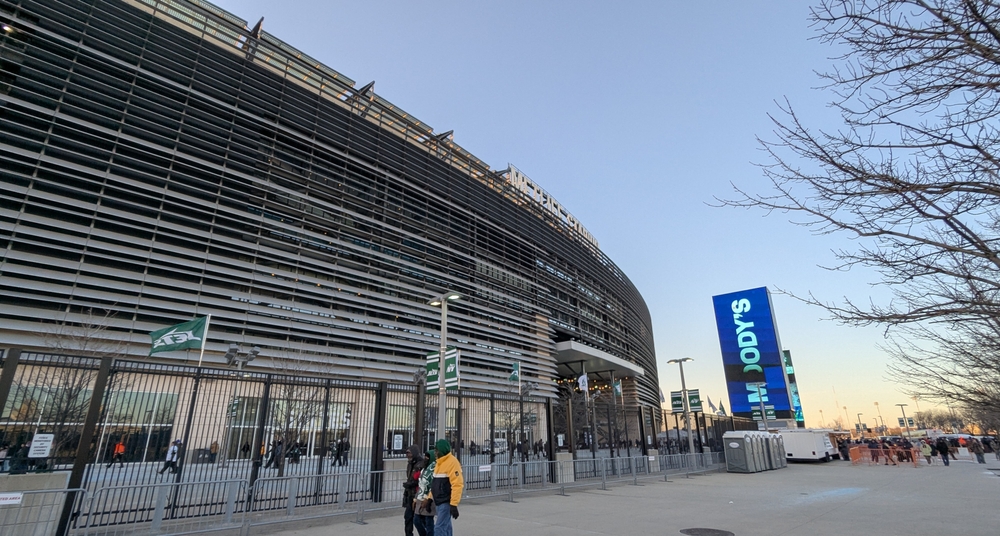
MetLife Stadium was confirmed as the host of the 2026 World Cup final in February 2024, and it is easy to understand why FIFA chose it. Sitting just five miles west of Manhattan across the New Jersey state line, the 82,500-capacity arena is the largest in the NFL, opened in 2010 at a cost of approximately $1.6 billion, and has already demonstrated its capacity for landmark events: it hosted Super Bowl XLVIII in 2014, the Copa América Centenario final in 2016 and the 2025 FIFA Club World Cup final. The stadium is served by NJ Transit rail from Penn Station in Midtown Manhattan, approximately ten minutes to Secaucus Junction, then a Meadowlands shuttle, making it genuinely accessible from one of the world’s most visited cities.
In preparation for the World Cup, MetLife underwent a two-phase renovation of its lower bowl, removing 1,740 permanent corner seats and replacing them with a modular steel seating system to widen the playing surface to FIFA’s required dimensions. The open-air stadium has no roof, meaning the New Jersey summer, with its potential for afternoon thunderstorms and peak humidity, is a factor supporters should plan around. For the first time in World Cup history, the final will feature a live half-time entertainment show produced in partnership with Global Citizen, with Coldplay serving as creative partners for the performance.
MetLife hosts eight matches in total: five group-stage fixtures (including France vs Senegal on 16 June and England’s final group match, Panama vs England, on 27 June at 10pm BST), one Round of 32 tie and one Round of 16 fixture, before the final itself on 19 July at 8pm BST. An estimated two billion television viewers are expected to watch the final, described by MetLife Stadium’s own chairman as “the largest event in human history.” For tickets to any of the 16 venues, visit our World Cup 2026 tickets guide for the latest availability and official booking information.
Planning Your World Cup Trip
The 16 venues of the 2026 World Cup represent the full spectrum of stadium architecture and sporting culture in North America, from the historic weight of the Azteca to the glass-and-steel spectacle of SoFi. For UK supporters travelling to support England, the three group-stage venues, Arlington, Boston and New Jersey, are all on the Eastern seaboard or Central time zones, meaning reasonable travel connections and manageable jet lag. Scotland fans face three East Coast US fixtures, with Boston a particularly accessible base given its direct transatlantic flight connections from UK airports. Keep across the full World Cup 2026 schedule for fixture dates, UK kick-off times and venue assignments as the tournament approaches.