

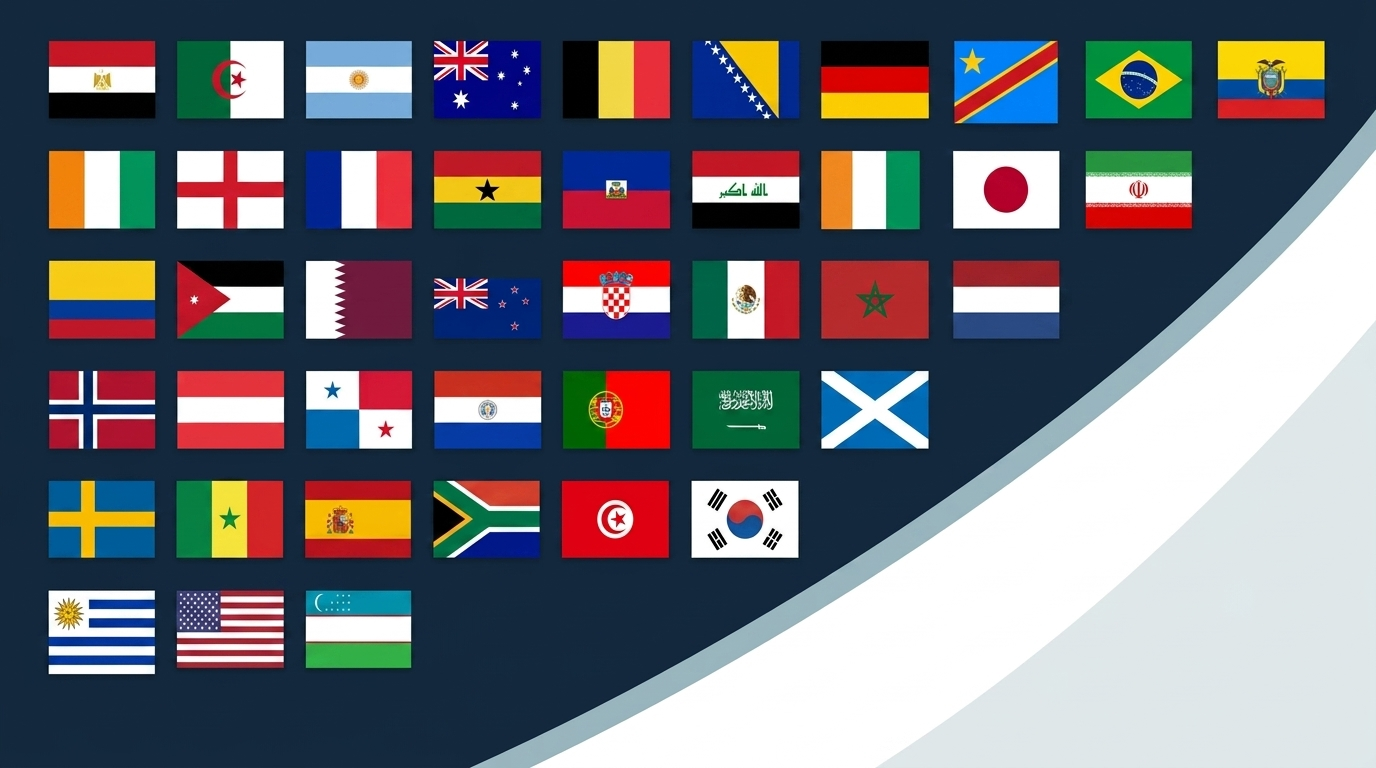
The 2026 FIFA World Cup is the most geographically and culturally diverse edition of the tournament in its 96-year history. For the first time, representatives of all six FIFA confederations have a guaranteed berth, a milestone the tournament had never previously achieved. Forty-eight nations have qualified for the competition in North America, up from 32 at Qatar 2022, representing a 50 per cent expansion that brings in four debut nations and reintroduces several sides absent for decades. From England’s Premier League star-studded group in Dallas to Scotland’s emotional return to the World Cup stage for the first time since 1998, the British Isles are represented with particular weight in this edition. This page lists every qualified team by confederation with the context needed for supporters and bettors ahead of the opening match on 11 June. For the full group-by-group breakdown of who plays who and when, visit our World Cup Groups guide, and see all tournament information at our World Cup 2026 hub.
How 48 Teams from 6 Confederations Were Decided
The expansion from 32 to 48 teams required FIFA to reallocate qualifying spots across all six confederations. Europe’s UEFA retained the largest single allocation with 16 places (up from 13 in 2022). Africa’s CAF received 10 spots (up from five). Asia’s AFC earned eight direct places plus access to the inter-confederation play-offs (effectively nine in total). South America’s CONMEBOL has six, CONCACAF has six (including the three host nations), and Oceania’s OFC received its first-ever guaranteed berth in the tournament’s history alongside a second potential spot via the inter-confederation play-offs.
The final six spots were settled on 31 March 2026. Four European nations qualified via UEFA play-offs: Bosnia & Herzegovina (beating Italy on penalties, a historic elimination for the four-time champions), Sweden, Türkiye and Czechia. The two inter-confederation play-off spots went to DR Congo and Iraq, who beat Jamaica and Bolivia respectively in the final round. Iraq’s qualification, their first since Mexico 1986, ended the longest active qualifying drought of any side in the tournament. DR Congo’s place, meanwhile, ended a 52-year absence from the World Cup. Of the 48 teams, 26 also appeared at Qatar 2022. Four nations make their debut: Cape Verde, Curaçao, Jordan and Uzbekistan. Curaçao, the Caribbean island territory with a population of approximately 156,000, are the smallest nation ever to qualify for a World Cup.
| Confederation | Teams | Notable changes vs 2022 |
| UEFA (Europe) | 16 | Italy out; Scotland, Bosnia & Herz., Sweden, Türkiye, Czechia in |
| CONMEBOL (South America) | 6 | Same 6 as 2022 |
| CONCACAF (N. & C. America) | 6 | 3 hosts auto-qualified; Curaçao debut; Costa Rica out |
| AFC (Asia) | 9* | Jordan, Uzbekistan debut; China, Saudi Arabia out in 2022; Qatar return |
| CAF (Africa) | 10* | Cape Verde debut; DR Congo return after 52 years; Cameroon out |
| OFC (Oceania) | 1 | First guaranteed OFC berth; New Zealand qualify |
UEFA: Europe’s 16 Nations – The Strongest Confederation in the Field
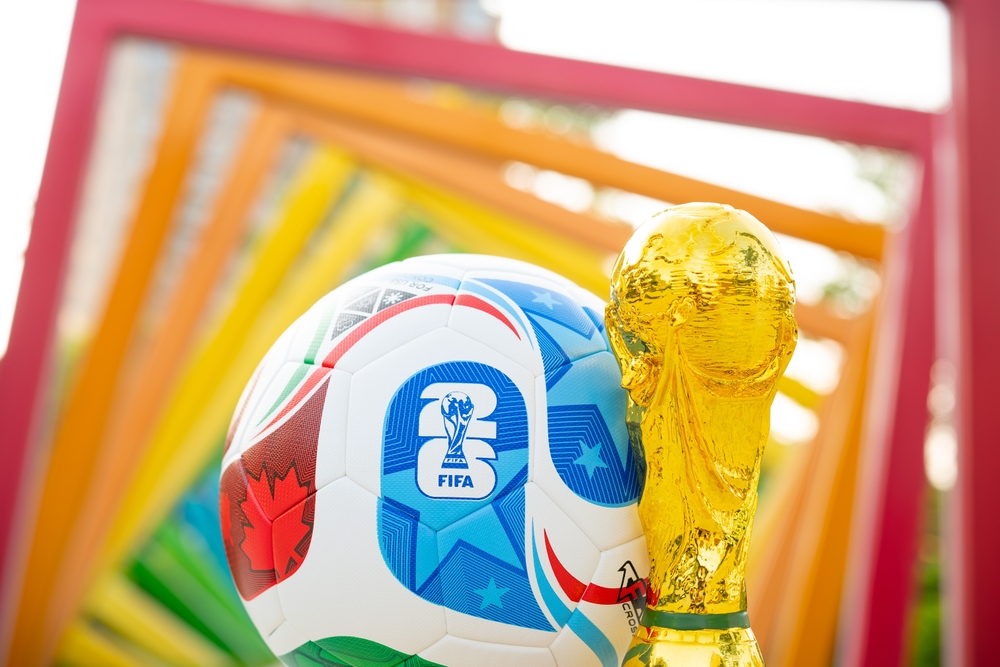
No confederation sends more teams to the World Cup than UEFA, and no confederation provides more outright contenders. Of the five most favoured nations with leading UK bookmakers, Spain (9/2), England (6/1), France (13/2), Germany (14/1) and the Netherlands (20/1), all five are European. Six of the 16 UEFA representatives are legitimate knockout-round threats; another six carry the quality to progress through the group stage with favourable draws.
England 🏴 (Group L) – Thomas Tuchel’s Three Lions arrive as the fourth-ranked side in the world and among the favourites to win the tournament. Harry Kane, Jude Bellingham, Bukayo Saka and Declan Rice form a spine of Premier League quality that no England side since 1966 has matched. England qualified from UEFA Group H with a near-perfect record through European qualifying. Their group draw, Croatia, Ghana, Panama, is among the most benign received by any top-four seed.
Scotland 🏴 (Group C) – The Tartan Army’s first World Cup since France 1998 is the emotional story of the tournament’s European contingent. Steve Clarke’s side face Brazil, Morocco and Haiti, a brutal group that will test Scotland to their absolute limits. The opening match against Haiti (14 June, 2am BST) requires a win to give qualification any realistic possibility.
Spain (Group H) – Defending European champions, FIFA’s world number one, tournament favourites. Luis de la Fuente’s side beat England in the Euro 2024 final and have not lost in regulation in 18 matches since. Lamine Yamal, Pedri, Rodri and Mikel Oyarzabal make this arguably the world’s most complete team.
France (Group I) – Kylian Mbappé at Real Madrid, Ousmane Dembélé in his prime and a squad of extraordinary depth. Didier Deschamps’ side drew the tournament’s Group of Death, France, Norway, Senegal, Iraq, but should be favourites to emerge from it regardless.
Germany (Group E) – Julian Nagelsmann’s resurgent Germany, built around Florian Wirtz and Jamal Musiala, face an accessible group (Curaçao, Côte d’Ivoire, Ecuador) and represent the value dark horse of the competition at 14/1.
Portugal (Group K) – Cristiano Ronaldo at 41 leads Roberto Martínez’s Portugal into what will almost certainly be his final tournament. The squad’s depth, Bernardo Silva, Rafael Leão, Rúben Neves, means they are competitive regardless of Ronaldo’s individual form or fitness.
The remaining UEFA qualified nations, in their groups: Netherlands (Group F), Belgium (Group G), Croatia (Group L), Norway (Group I), Austria (Group J), Switzerland (Group B). Via UEFA play-offs: Bosnia & Herzegovina (Group B), Sweden (Group F), Türkiye (Group D), Czechia (Group A).
CONMEBOL: Six South American Powers, All Legitimate Threats
South America’s allocation of six teams is unchanged from 2022, and every one of the continent’s qualifiers carries genuine pedigree. Defending champions Argentina are placed in Group J alongside Algeria, Austria and Jordan, a very manageable draw for the side Lionel Messi is leading into what will be his fifth and almost certainly final World Cup. Brazil, under Carlo Ancelotti, are in Group C with Morocco, Haiti and Scotland, widely considered the second-strongest group at the tournament. Colombia (Group K) have James Rodríguez and a squad that can trouble anyone; Uruguay (Group H) bring South American pragmatism against Spain’s elegance in what will be the group’s secondary interest fixture. Ecuador (Group E) and Paraguay (Group D) complete the CONMEBOL contingent, both capable of advancing as third-placed finishers on their best days.
| Team | Group | Outright odds (approx.) |
| Argentina | J | 8/1 |
| Brazil | C | 8/1 |
| Colombia | K | 40/1 |
| Uruguay | H | 65/1 |
| Ecuador | E | 80/1 |
| Paraguay | D | 150/1 |
CONCACAF: Three Hosts and Three Outsiders
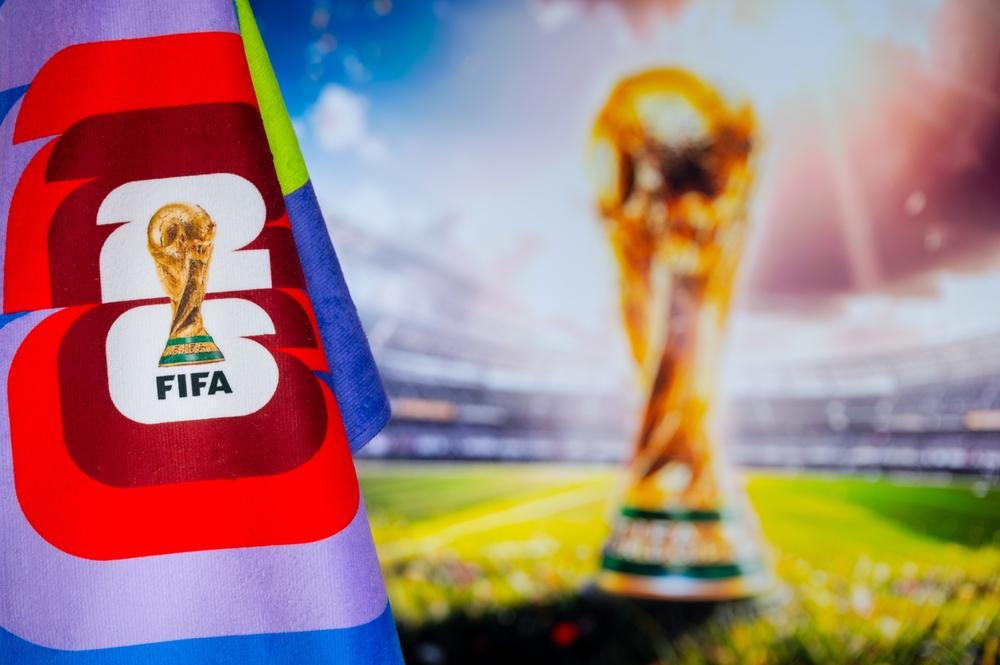
The host nations dominate the CONCACAF allocation. The United States (Group D) open their campaign against Paraguay in Los Angeles, with Mauricio Pochettino’s side carrying enormous home support and genuine knockout-stage ambitions. Mexico (Group A) host the tournament opener against South Africa at Estadio Azteca on 11 June and carry the weight of playing on their own turf. Canada (Group B), arguably the most improved CONCACAF side of the past decade, led by Alphonso Davies and Jonathan David, open against Bosnia & Herzegovina in Toronto at BMO Field, the same ground where they clinched Qatar 2022 qualification.
Of the three non-host qualifiers, Panama (Group L) face England in their final group match at MetLife Stadium on 27 June, they are well organised but have limited attacking threat and are widely considered England’s most straightforward fixture. Haiti (Group C) face Scotland in Boston in the tournament’s early hours; despite a difficult recent history off the pitch, their CONCACAF qualifying run showed collective spirit. Curaçao (Group E) face Germany in their World Cup debut, a match that will be watched with enormous pride across the Caribbean island’s 156,000-strong population.
AFC: Asia’s Nine Teams Across Eight Nations
Asia sends eight automatic qualifiers plus Iraq, who came through the inter-confederation play-offs, for a total of nine teams, the continent’s largest-ever World Cup representation. Japan (Group F) are Asia’s most dangerous team and the continent’s most feared opponents: they knocked out both Germany and Spain at Qatar 2022 and enter the tournament with a high-press, technically precise style that beats top European sides on their best days. South Korea (Group A) bring Premier League star power in Son Heung-min. Saudi Arabia (Group H) play Spain in their opening fixture, having beaten Argentina in 2022, they are not a side any top-seeded team overlooks.
Australia (Group D) face the United States and give the Socceroos a genuine chance of reaching the Round of 32. Iran (Group G), despite significant political uncertainty around the tournament, are confirmed participants after FIFA president Gianni Infantino secured assurances of their participation. Jordan and Uzbekistan both make their World Cup debuts. Qatar (Group B) participate in their first qualifying campaign after hosting 2022 as an automatic qualifier. Iraq’s return after 40 years of absence in Group I, where they face France, Norway and Senegal, is one of the tournament’s more remarkable storylines.
CAF: Africa’s 10 Teams – The Continent’s Biggest-Ever Representation
Africa sends 10 teams to 2026, double the five from Qatar 2022 and the continent’s largest-ever World Cup contingent. Morocco (Group C) are the standard-bearers after their semi-final run in 2022, the best finish by an African nation in the tournament’s history. They open against Brazil in New Jersey, the standout Matchday 1 fixture outside of England’s group. Senegal (Group I) face France in what is potentially the most tactically loaded match of the group stage, two nations with shared cultural and footballing histories colliding in New Jersey. Egypt (Group G) bring Mohamed Salah to what may be his final World Cup at 34. Algeria (Group J) begin against Argentina; Ghana (Group L) face England as the Three Lions’ second group fixture.
Cape Verde make their debut, their qualification via CAF Group D, finishing ahead of Cameroon, represents one of the most extraordinary achievements in African football history. South Africa return to the World Cup for the first time since hosting the 2010 tournament, with their opening match against Mexico at Estadio Azteca on 11 June effectively a replay of the 2010 tournament opener. DR Congo’s first World Cup since 1974 completes Africa’s decade-best representation in North America.
OFC: New Zealand – Oceania’s Historic First Guaranteed Berth
 New Zealand (Group F) qualify as the OFC’s representative, and as the beneficiaries of a landmark rule change that, for the first time, granted Oceania a guaranteed World Cup berth rather than forcing them through an inter-confederation play-off. Ranked 85th in the world, the All Whites are the lowest-ranked team in the tournament, but their group draw, Netherlands, Japan, Sweden, Tunisia, means any points accumulated will be hard-won. New Zealand’s inclusion is historically significant regardless of results: it marks the first edition since 2010 in which every confederation on earth has at least one team at the tournament.
The Full Field: 48 Nations, One Trophy
With all 48 nations now confirmed and the full fixture list set, the 2026 World Cup offers more competitive permutations than any edition before it. Of those 48 teams, four are making their debut, 22 are absent from 2022, and multiple nations are returning after decades away. From England’s Premier League generation chasing a first title since 1966 to Scotland’s 28-year wait finally ending on US soil, the British interest alone makes this a summer that will define sporting memories for a generation. For a full analysis of every group and every matchup, visit our World Cup 2026 groups guide.